
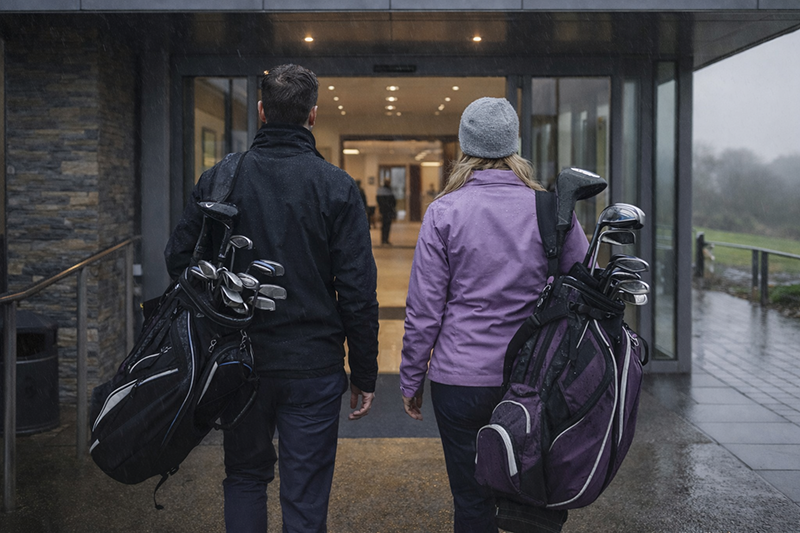
For many venues, the challenge isn’t attracting golfers at peak times. It’s maintaining momentum when conditions change, daylight shortens, or traditional patterns of play begin to shift.
The most resilient venues are no longer relying on a single format of engagement. They’re thinking more broadly about how people use their space, how long they stay, and what encourages them to return.
This isn’t about chasing trends. It’s about making considered decisions that support long-term relevance.
Golf participation hasn’t disappeared. But how, when, and where people engage with the game has evolved.
Industry analysis from the Golf Club Managers’ Association (GCMA) highlights that participation is not just growing, but changing shape. Engagement is increasingly driven by flexible formats, off-course experiences, and environments that fit more naturally into modern lifestyles rather than traditional, weather-dependent play alone.
This shift is reflected in participation data. The National Golf Foundation reports that more than 11 million people in the UK and Ireland now engage with off-course golf, compared with fewer than five million who play solely on traditional courses. Accessibility, consistency, and year-round availability are key drivers behind that growth.
Broader leisure trends reinforce this direction of travel. Deloitte’s 2025 Consumer Tracker shows a continued rise in spending on experiential leisure, with consumers prioritising activities that offer social connection, comfort, and flexibility over those limited by seasonality or conditions.
For venues, this evolution presents both a challenge and an opportunity.
Facilities that rely solely on outdoor play remain exposed to factors outside their control, from weather and daylight to shifting leisure habits. Those that invest in complementary, all-season experiences extend dwell time, broaden their appeal, and build greater commercial resilience.
It’s not about replacing the outdoor game. It’s about supporting it in a way that reflects how people choose to engage with golf today.
As participation evolves, so does what guests expect once they arrive.
Engagement is no longer defined by a single activity or a fixed time window. Instead, it’s shaped by how long people choose to stay, how often they return, and how easily the experience fits into a wider social or leisure visit.
This is where forward-thinking venues are focusing their attention.
Experiences that encourage guests to:
• Stay longer rather than move on
• Return more frequently across different seasons
• Visit in groups rather than alone
• Engage beyond traditional tee times
are increasingly central to commercial resilience.
Indoor golf, when designed as a considered experience rather than a functional add-on, supports this shift. It allows venues to offer something dependable and consistent alongside the outdoor game, extending relevance without competing with it.
The result isn’t simply increased usage. It’s a broader role within a guest’s leisure routine. Practice sessions become social visits. Short stops turn into longer stays. Occasional visits become habits.
That’s how dwell time grows, and how relevance is maintained.
The most resilient venues don’t wait for demand to force their hand. They invest early, thoughtfully, and with a clear understanding of how guest expectations are evolving.
This kind of decision-making isn’t driven by immediate results. It’s driven by recognising that participation patterns are changing, and that venues need to adapt their offer accordingly.
Stonham Barns Golf Park is a recent example of this mindset. Their decision to introduce a new Trackman Lux bay wasn’t about chasing short-term returns. It was about strengthening their overall experience and ensuring their venue continues to meet the expectations of modern golfers, both on and off the course.
That approach positions venues for resilience rather than reaction.
Technology plays a vital role in modern golf experiences. But on its own, it isn’t enough.
As participation broadens beyond traditional formats, guests place increasing value on how an experience feels, not just what it delivers. Spaces that feel considered, comfortable, and permanent encourage confidence, trust, and repeat use.
Lighting, acoustics, layout, and material choices all influence how long people stay, how often they return, and whether the experience becomes part of their regular routine.
A well-designed environment doesn’t simply support the technology within it. It becomes part of the venue’s identity rather than an add-on feature.
This is where long-term value is created.
Venues that work hardest throughout the year are those designed with flexibility in mind.
As participation patterns diversify, spaces that support different types of engagement become increasingly valuable. Not every visit looks the same, and the strongest venues are those that can accommodate that variation without compromising their core offer.
Spaces that can support:
• Individual practice
• Group bookings
• Corporate events
• Social and casual play
allow venues to respond to different audiences and occasions naturally.
When experiences adapt in this way, venues remain relevant even as patterns of use continue to evolve.
Future-proofing isn’t about predicting every trend. It’s about building spaces that can evolve without compromise.
Venues that invest with this mindset focus on longevity rather than immediacy. They seek solutions that integrate seamlessly into the wider venue experience and continue to perform as expectations change.
GolfSpace works with venues that see investment as a long-term decision, not a quick fix. From first sketch to first tee shot, each project is designed to sit naturally within the venue and support both performance and enjoyment.
The result is a space that strengthens commercial resilience by design, not by chance.
Outdoor golf will always remain central to the game. But venues that thrive year-round are those willing to think beyond it.
By investing in experiences that extend engagement, encourage repeat visits, and support evolving patterns of use, venues create stability alongside their traditional offer.
It’s not about replacing what already works. It’s about strengthening it in a way that reflects how people choose to engage with golf today.
Get in touch to explore how you can make your venue work harder all year round with GolfSpace.